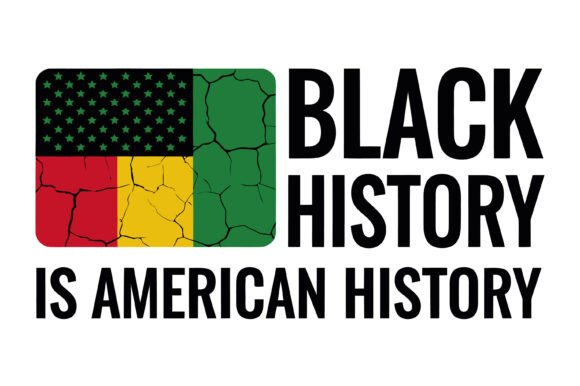
Black History is American History
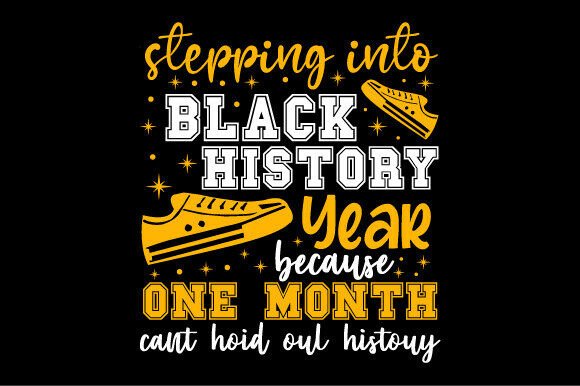
As a designer who spends hours evaluating digital assets for real-world production, I don't just look at the aesthetics of a machine embroidery design; I think about how it behaves under the needle. When I first opened the files for Black History is American History, the immediate feeling was one of solemn pride and clear intent. This isn't just another generic quote floating in space; it carries a weight that demands to be treated with respect during the digitizing and stitching process.
The visual personality of this piece is rooted in typography and statement. It screams "statement piece" without needing excessive decoration. For an embroidery file meant for apparel or home decor, clarity is king. The layout suggests a strong central focus, likely utilizing bold lettering to convey its message. In my experience, designs that rely heavily on text need to be scrutinized for stitch density and legibility. If the letters are too close together, the thread will bunch up. If they are too sparse, the message loses its impact. From what I can gather from the available formats like SVG and EPS, the vector paths should allow for clean curves, which is essential for maintaining the integrity of the words when stitched.
From Digital File to Finished Product
Let's talk about a specific scenario. Imagine you are an Etsy seller preparing inventory for Black History Month or Juneteenth. You have a stack of high-quality black cotton tote bags waiting for your machine. You load the Black History is American History design into your software. The first thing you notice is the potential for high contrast. Placing white or gold thread on a dark background creates a striking visual that draws the eye immediately. However, this is where practical judgment comes in.
If you are stitching this onto a tote bag, the fabric is usually thick canvas. A heavy fill stitch might cause puckering if the stabilizer isn't chosen correctly. You would want to use a cut-away stabilizer to ensure the bag holds its shape after washing. The design works beautifully as a standalone graphic on the front panel of a tote, but it could also be adapted for a sweatshirt. Sweatshirts have more give than canvas, so you must adjust the hoop tension carefully. A loose hoop on a stretchy knit can result in wavy lines, ruining the sharpness of the typography.
I also see potential here for baby items. A onesie or a soft blanket embroidered with this message could become a cherished heirloom. But there is a catch: comfort. For baby clothing, you cannot have dense, stiff embroidery that irritates delicate skin. You would need to verify the stitch count and perhaps request a lighter touch from the digitizer if possible. If the design includes small details or thin serifs, those might get lost in the fluffiness of a fleece blanket. The key is balancing the visual impact with tactile comfort.
Navigating Fabric and Surface Challenges
Not every surface is created equal, and knowing where to apply caution is part of being a professional. While this design is versatile, there are specific situations where Black History is American History might struggle. Curved surfaces, such as baseball caps, present a unique challenge. Embroidering large text on a curved crown requires careful alignment. If the design is too wide, the letters near the edges might distort or become unreadable. You would need to check the width of the design against the available hoop area on your cap frame.
Textured fabrics are another pitfall. If you attempt to stitch this onto a rough burlap or a heavily textured linen, the needle might skip stitches, or the texture might obscure the finer details of the font. Similarly, thin fabrics like sheer curtains or lightweight silk are risky. Without proper backing, the tension required to pull the thread tight enough for a satin stitch could tear the material. For these applications, a very light mesh stabilizer is non-negotiable.
Dense stitch areas are worth mentioning. Typography often relies on solid blocks of color (fill stitches). If the design has large areas of solid text, the heat generated by the needle friction can sometimes warp synthetic blends. Always test on scrap fabric first. I recommend running a quick test on a piece of the actual garment material to see how the threads sit. Do they lay flat? Is the back side messy? These questions determine whether the final product looks professional or amateurish.
Impact on Brand and Customer Trust
In the world of handmade goods and small business merchandise, the quality of your embroidery speaks volumes about your brand. A sloppy stitch job on a shirt with a powerful message like Black History is American History undermines the very sentiment the design represents. Customers expect precision. They want to see that you care about the details as much as the message.
When you sell a finished product, the visual appeal drives the perceived value. A crisp, well-executed embroidery project justifies a higher price point. It tells the buyer that this item was made with intention and skill. Furthermore, this design fits perfectly into the narrative of boutique branding. Whether you are creating holiday gifts, wedding favors, or custom aprons for a kitchen shop, the theme of equality and heritage resonates deeply. It transforms a simple commodity into a conversation starter.
For digital product sellers, the availability of multiple formats is a huge plus. Having the design in PNG, JPEG, and SVG allows you to create realistic mockups for your listings. You can visualize how the design looks on different backgrounds before you ever run a single stitch. This helps in marketing the product effectively to craft fair attendees or online shoppers who want to see the potential outcome.
Essential Designer Notes for Success
Before you commit this design to a commercial project, there are a few technical steps you must take. First, confirm the licensing terms. Just because you bought the file does not automatically mean you can sell unlimited quantities of the finished product. Check the terms provided with the purchase to ensure you are compliant with any restrictions on resale.
Next, pay attention to thread colors. The design likely assumes a specific color palette, but you should choose threads that offer maximum contrast against your chosen fabric. High-quality polyester or rayon threads will give the best sheen and durability. Avoid cheap cotton threads that may break or fade quickly.
Stabilizer selection is critical. For a design with significant text, a tear-away or cut-away stabilizer is usually best. If you are working on a hat, you will need a specific adhesive stabilizer to keep the fabric taut in the hoop. Don't forget to hooping the fabric tightly. Loose fabric leads to misalignment, which is fatal for text-heavy designs.
Finally, inspect the small details. Even though this is primarily a typography piece, check for any decorative accents or smaller supporting text. Ensure that no tiny elements are too fine to stitch reliably. If you plan to wash the finished product frequently, like a kitchen towel or an apron, make sure the stitches are locked down properly to prevent unraveling.
By treating Black History is American History with the same level of scrutiny as any other complex design, you ensure that the final output honors the message it carries. Whether you are making a personalized gift for a loved one or producing stock for your own shop, taking the time to test, stabilize, and perfect your work will result in a finished product that stands out. This design has the power to inspire, but only if the execution matches the ambition. Happy stitching.